
The Nature of Luck in Gambling
Luck is often heralded as a crucial element in gambling, especially in casinos where games of chance dominate. Many players attribute their wins and losses to luck, leading to the pivotal question of whether luck genuinely influences outcomes. In numerous casino games, such as slots and roulette, results are predominantly random, dictated by chance rather than skill. This randomness fosters the perception that luck significantly affects success, creating an allure that draws countless people to gambling establishments, including those who prefer the best online pokies available today. The thrill of potentially winning a jackpot on a slot machine or hitting the right number on a roulette wheel keeps players engaged, further embedding the concept of luck into the casino experience.
However, while luck can indeed influence short-term outcomes, its overall impact diminishes over time. In games reliant entirely on chance, players may experience winning streaks that seem dictated by fortune. Nonetheless, delving into the mathematical probabilities behind these games reveals that luck is merely a fleeting factor; sustained success hinges on strategy and informed decision-making. Therefore, although luck may appear paramount, it is vital to recognize its limitations in the broader context of gambling. The casino environment may amplify the feeling of luck, but understanding the underlying probabilities can help players navigate their experiences more effectively.
The psychological dimension of luck also plays a significant role in gambling experiences. Gamblers frequently seek to rationalize their outcomes through the lens of luck, crafting narratives around their wins and losses. This tendency can lead to the gambler’s fallacy, a misconception where individuals believe that past results will influence future outcomes. In actuality, each spin of a slot machine or roll of dice is independent, indicating that while luck may seem influential in the moment, it is not a reliable determinant of success in the casino environment. Recognizing this fallacy can empower players to approach their gambling with a more analytical mindset, reducing the emotional highs and lows associated with luck.
The Role of Strategy in Casino Games
While luck undeniably plays a role in gambling, the importance of strategy cannot be overstated. Many casino games allow players to employ varying degrees of skill and strategy to influence outcomes. For instance, in card games like poker and blackjack, players can utilize mathematical probabilities, game theory, and psychological insights to enhance their chances of winning. By comprehending the rules, odds, and the behavior of opponents, players can make more informed choices that elevate their potential for success. This strategic approach transforms the gambling experience from a mere game of luck into a cerebral challenge where skill and knowledge can shine.
In blackjack, for example, players can implement strategies such as card counting and basic strategy charts to minimize the house edge. This strategic approach illustrates that while luck is a factor, skillful gameplay can markedly improve a player’s odds of winning. Furthermore, engaging with games that demand more strategy can lead to a more fulfilling experience, as players feel a greater sense of control over their outcomes, resulting in increased enjoyment. When players understand the mechanics of the games they play, they can navigate the casino landscape with confidence, making choices that are more likely to yield positive results.

Moreover, even in predominantly luck-based games, a solid understanding of the odds can significantly assist players in managing their bankroll effectively. Setting limits and recognizing when to walk away are vital strategic elements that can enhance a player’s overall experience and outcomes. This interplay between luck and strategy highlights the complex nature of gambling, suggesting that players who adopt thoughtful approaches may enjoy greater success in the long run. Players who take the time to strategize can find themselves better equipped to handle the unpredictable nature of luck, leading to a more balanced gambling experience.
The Psychology of Winning and Losing
The psychological dynamics of gambling are intricately linked to perceptions of luck. Winning can create a powerful positive feedback loop, reinforcing the belief that luck is the predominant factor behind one’s success. Conversely, losing can lead to frustration and a distorted understanding of luck’s role. Players may attribute their losses to bad luck, driving them to chase losses and engage in riskier behaviors, ultimately leading to a damaging cycle of gambling addiction. This psychological aspect highlights the necessity for players to cultivate a healthy mindset regarding both wins and losses.
Comprehending the psychological effects of gambling, including luck’s influence, is essential for players. By acknowledging how emotions can cloud judgment, gamblers can adopt a more rational approach to their gameplay. This awareness can help mitigate the risk of loss-chasing behavior and encourage responsible gambling practices. Additionally, remaining grounded in the understanding of probabilities and the nature of luck can empower players to make decisions that align with their long-term goals, fostering a healthier relationship with gambling. Awareness of one’s emotional state can serve as a safeguard against impulsive decisions driven by the highs and lows of luck.
Furthermore, the thrill associated with luck-related events can significantly enhance the overall casino experience. Winning big can heighten feelings of joy and create lasting memories. This excitement can encourage players to return to the casino, hoping to replicate similar experiences. However, fostering an awareness of the transient nature of wins and the random aspect of luck can help players maintain a balanced perspective, emphasizing enjoyment over the sole pursuit of financial gain. By understanding that luck is just one factor in a much larger equation, players can approach gambling as a form of entertainment rather than a guaranteed source of income.
The Impact of Casino Design and Environment
Casinos are meticulously designed to enhance the gambling experience, and this includes shaping players’ perceptions of luck. The ambiance, lighting, and layout of casino floors are intentionally curated to create a sense of excitement and anticipation. Games of chance are often strategically located in high-energy areas, ensuring that players feel the thrill of luck with every spin and shuffle. This sensory engagement reinforces the association between the casino environment and fortunate outcomes, often heightening the overall experience. The design of these spaces not only captivates players but also encourages them to immerse themselves in the moment, often disregarding the odds involved.
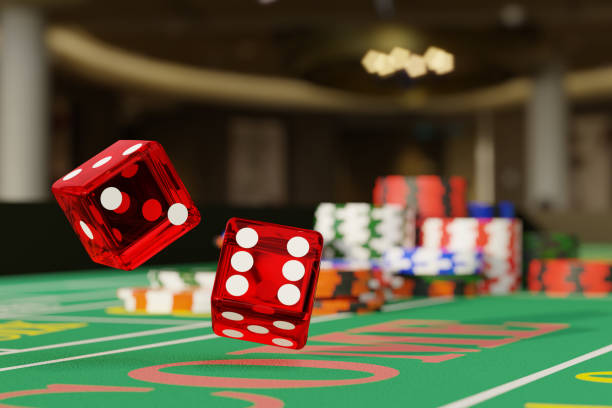
Moreover, the use of celebratory sounds and visual effects during wins, regardless of their size, amplifies the feelings of luck. This psychological tactic encourages players to continue gambling, as they associate their experiences with positive emotions and excitement. However, while these design elements can enhance the thrill of winning, they may also obscure the reality of the odds. As such, players should remain vigilant and mindful of how their surroundings can influence their perceptions and decisions while gambling. Acknowledging these design strategies can aid players in distinguishing between genuine luck and the casino’s crafted experience aimed at maximizing engagement.
Understanding the impact of casino design can empower players to approach their gambling experience with greater awareness. By recognizing the tactics employed by casinos, individuals can differentiate between the excitement generated by the environment and the actual odds of the games. Such insights can lead to more informed decision-making and a healthier gambling experience, ideally focusing on entertainment rather than solely on luck-driven outcomes. Recognizing that the casino is designed to evoke specific feelings can help players maintain a critical perspective, fostering a more rational approach to their gambling activities.
Finding Balance: Luck vs. Strategy in Gambling
In the realm of gambling, striking a balance between luck and strategy is essential for sustainable success. While luck may provide short-term victories, it is the strategic application of knowledge and skills that often leads to long-lasting gains. Players who embrace both aspects are more likely to enjoy a rewarding experience. This balance allows individuals to appreciate the excitement of gambling while maintaining a realistic perspective on their potential for success. Recognizing the interplay between luck and strategy can transform a player’s approach, enhancing their enjoyment and effectiveness.
By investing time to understand game mechanics, rules, and effective strategies, players can enhance not only their gaming experience but also their outcomes. The integration of strategy allows individuals to feel more in control, thus reducing reliance on the unpredictable nature of luck. This empowerment can foster a more enjoyable gameplay experience and a deeper understanding of gambling as an entertainment activity, rather than solely as a means of income. When players actively engage with the strategic elements of the games they choose, they are more likely to experience fulfillment beyond just financial returns.
Ultimately, responsible gambling involves recognizing the roles of both luck and strategy. By acknowledging luck’s presence while emphasizing the importance of informed decision-making, players can cultivate a healthier relationship with gambling. This approach not only enhances the overall experience but also promotes a lifestyle prioritizing enjoyment and fun over the elusive quest for luck. Awareness is key, and finding this balance can lead to a more fulfilling gambling journey. Through this understanding, players can navigate the casino landscape with a sense of purpose and enjoyment, transforming gambling into a positive and entertaining activity.