
The Allure of Gambling
The thrill of gambling is deeply rooted in human psychology. The anticipation of winning can create a potent cocktail of emotions that keeps players coming back for more. The brain releases dopamine, a neurotransmitter associated with pleasure, when we engage in activities we find exciting or rewarding. This chemical reaction not only makes gambling enjoyable but also reinforces the behavior, leading individuals to chase that high of winning. For more insights on this topic, visit https://loplops.com/.
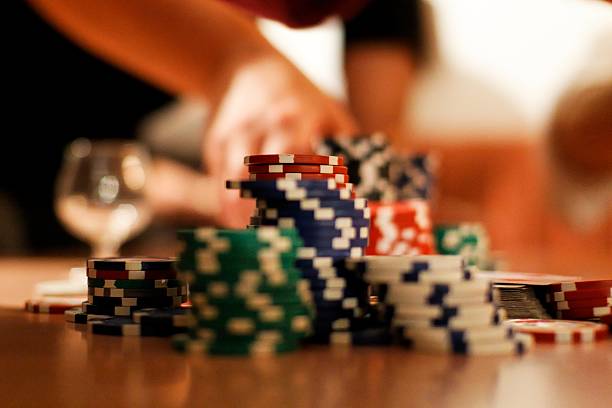
Moreover, the sensory experience in casinos—vibrant lights, endless sounds of slot machines, and the palpable tension at poker tables—exacerbates the thrill. This stimulating environment is designed to heighten emotions, making every win feel monumental, thereby intensifying the attraction to gambling.
The Psychology of Risk and Reward
At the core of gambling lies the concept of risk versus reward. Players often find themselves in a precarious dance between the potential for significant wins and the reality of losses. This uncertainty creates a unique psychological state where the brain constantly weighs the odds, making every bet feel exhilarating. The unpredictability of outcomes can lead to a phenomenon known as “the gambler’s fallacy,” where players believe past outcomes influence future ones, despite the odds remaining the same.
Additionally, the thrill of taking risks can be deeply satisfying to many individuals. Engaging in high-stakes games brings an adrenaline rush that often translates into excitement and a sense of vitality. This experience is magnified by the social elements of gambling, where interacting with others adds another layer of engagement to the risk-taking behavior.
The Role of Superstitions and Strategies
As players immerse themselves in the casino culture, many develop personal superstitions or strategies that they believe will enhance their chances of winning. These rituals, whether it’s wearing a lucky shirt or choosing a specific seat at the table, provide a psychological anchor in an unpredictable environment. They can also foster a sense of control, which is particularly appealing in a game driven by chance.
Furthermore, many gamblers analyze patterns or employ strategies based on logical reasoning, though the random nature of most games means they have little actual impact on outcomes. This duality of superstition and logical thinking creates a fascinating psychological landscape that influences how players approach their gambling experiences.
The Emotional Rollercoaster of Winning and Losing
Winning in a casino can evoke feelings of euphoria, achievement, and even empowerment. The rush from a big win not only elicits immediate happiness but also a surge of confidence that can encourage further play. However, the emotional aftermath of losses can be starkly contrasting, often leading to feelings of regret and frustration.
The cycle of winning and losing can create a rollercoaster of emotions, keeping players hooked. This emotional volatility is a key driver in gambling behavior and often perpetuates a continuous cycle where players return to the tables in hopes of recapturing that winning feeling, despite previous losses.

About This Website
This website, managed by Cloudflare, offers unwavering security features designed to protect users from online threats while ensuring a smooth browsing experience. Its commitment to maintaining performance integrity helps create a safe environment where visitors can explore various topics, including the multifaceted psychology of gambling.
By safeguarding content and user data, the site provides a reliable platform for learning and engaging with subjects that captivate the human experience, such as the complex emotions tied to winning at a casino and the psychological underpinnings of thrill-seeking behavior.